Microbiome Analysis for Anaerobic Digestion
Turning microbial complexity into clear interactive biological insight for AD plants.
What Is Microbiome Analysis by SGTECH?
Specialized Analysis for AD Plants
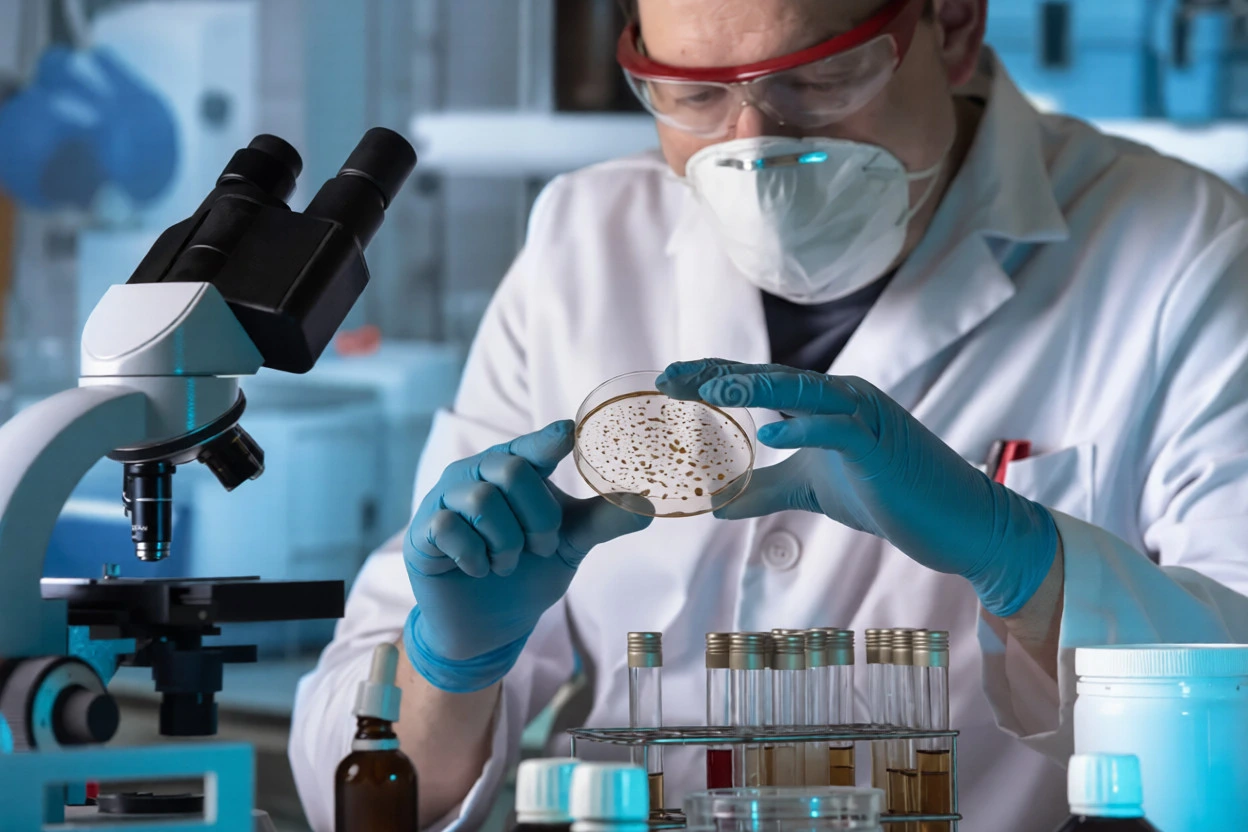
SGTECH provides a specialized microbiome analysis service for anaerobic digestion (AD) plants, designed to reveal and explain the biological structure driving digester performance.
NGS & Expert Knowledge
Using next generation sequencing (NGS) combined with expert knowledge in microbiology, chemistry and engineering we provide a custom interactive and unique analysis, making the invisible microbial ecosystem visible, measurable and meaningful.
Why Microbiome Analysis
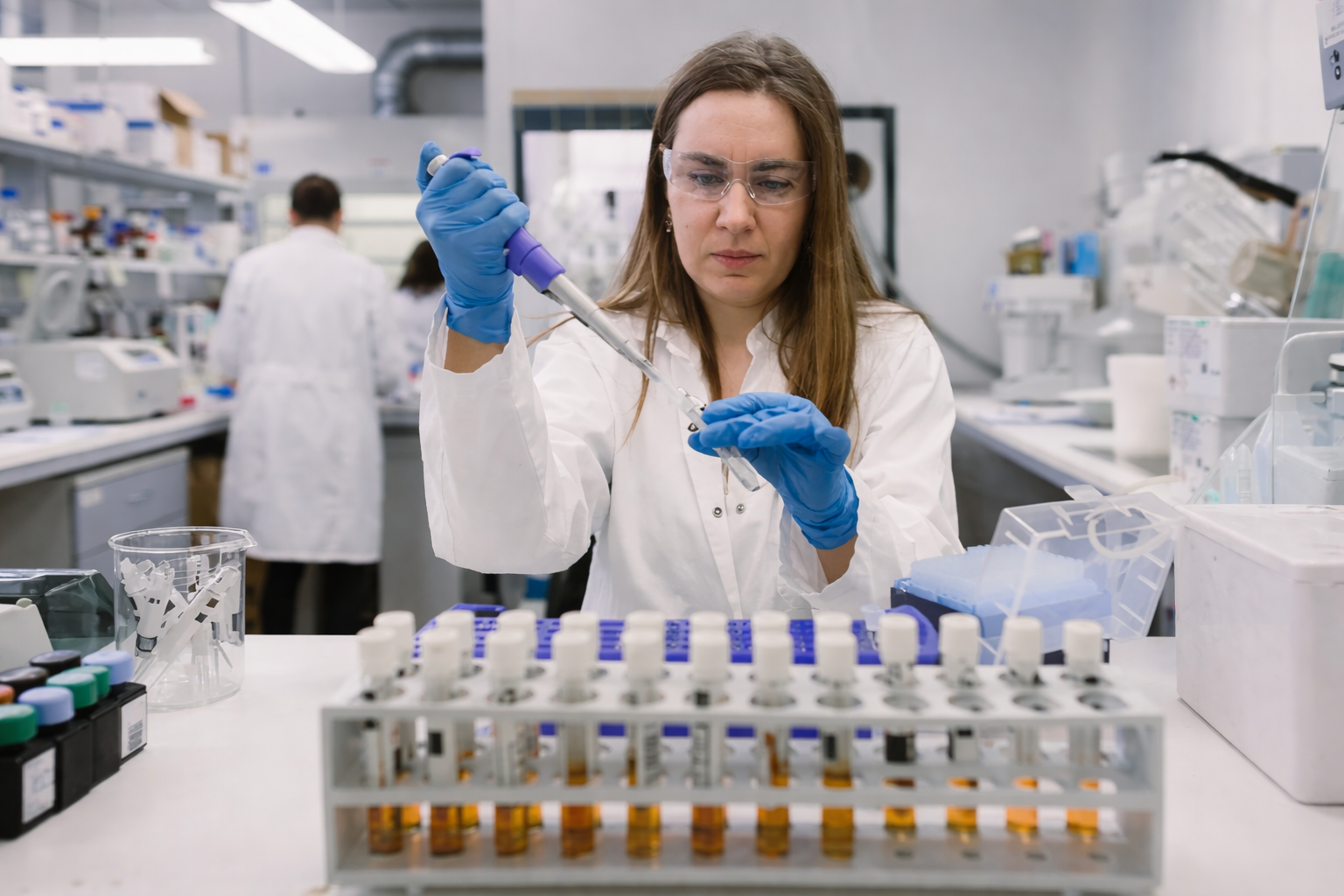
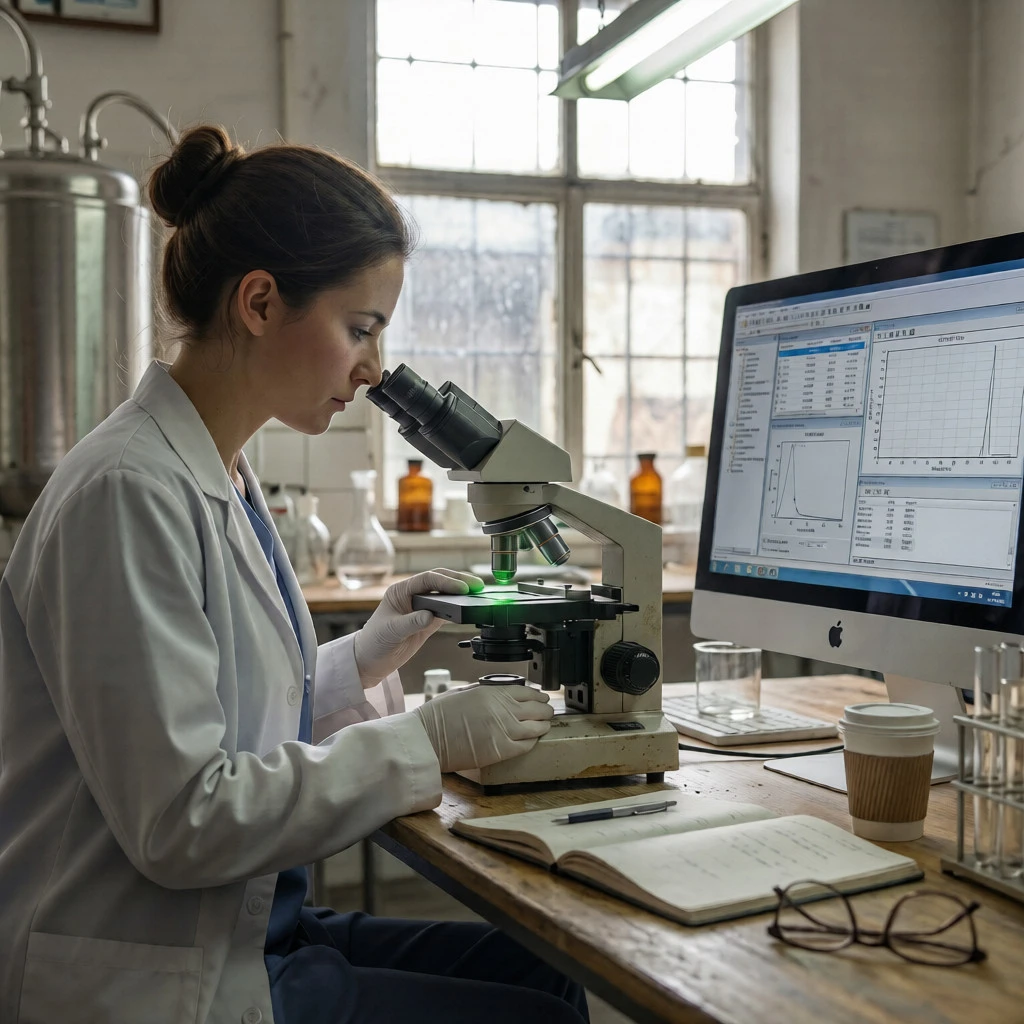
Anaerobic digesters are driven by complex microbial communities that are not visible through standard process or chemical parameters alone. While chemistry provides important signals, it does not fully describe the biological state of the system. Microbiome analysis directly accesses this missing layer, revealing the organism responsible for your unique process.
How Our Microbiome Analysis Works
1
Strategic Sampling
You collect small samples from defined locations in your reactor and ship them to SGTECH, optionally accompanied by available operational or chemistry data.
2
Sequencing
DNA is extracted and sequenced using 16S rRNA gene sequencing to identify microbial populations present in the system.
3
Analysis
Sequencing data is processed using SGTECH's proprietary bioinformatics and biostatistical methods to characterize microbial composition and identify key biological indicators.
4
Making the Microbiome Readable
Results are presented in an interactive format that enables clear understanding and exploration of microbial structure and relationships.
5
The Microbiome in Motion
Repeated analyses over time provide a longitudinal view of changes and trends in the reactor microbiome.